Autodesk Inventor is used by equipment manufacturers, engineering firms, and fabrication businesses that need parametric parts and assemblies, production drawings, and a practical connection to manufacturing. Its market position differs from CATIA or Siemens NX. Inventor is particularly visible in general mechanical engineering, fabricated structures, process equipment, and custom product design.
The value of learning Inventor depends on local vacancies and the types of companies in the area. Raw search-result counts can be misleading because an Autodesk Inventor query may capture jobs involving other Autodesk products, BIM, or employment at Autodesk itself. Listings that name Inventor directly in the duties or required skills provide a more accurate picture.
Where Inventor regularly appears in vacancies
Consistent demand is visible in the United States and Canada, Germany, the United Kingdom, the Netherlands, Poland, the Nordic countries, and Australia. These markets have extensive networks of small and mid-sized companies producing machinery, conveyors, fabricated structures, mining and food-processing equipment, automation systems, and custom products.
Country results cannot be compared reliably on a single platform. A broad LinkedIn search for Autodesk Inventor in the United States showed more than 10,000 results, but many did not actually require Inventor. The narrower Autodesk Inventor Designer search returned approximately 225 vacancies. StepStone showed around 470 listings in Germany, Reed about 170 in the United Kingdom, SEEK approximately 200 in Australia, and Glassdoor around 80 in the Netherlands. These are changing results from individual searches, not official employment totals.
Regional concentration follows industrial activity. Jobs appear around factories, system integrators, equipment suppliers, and cities with engineering centers. Inventor demand tends to be more geographically distributed than demand for CAD platforms tied to a small number of large aerospace or automotive clusters.
North America: equipment, manufacturing, and infrastructure
US employers use Inventor for industrial machinery, packaging and conveying systems, HVAC equipment, energy installations, fabricated structures, and construction-related products. Job titles include mechanical designer, design engineer, CAD designer, drafter, product engineer, and tooling designer.
Canadian listings add mining equipment, mineral processing, transportation systems, and engineering consulting. Alberta and other resource-based regions need equipment and plant-design skills, while Ontario and Quebec offer work in machinery, energy, transportation, and large engineering consultancies.
Employers often expect combined Inventor and AutoCAD skills. The 3D product and assembly may be developed in Inventor while legacy diagrams, site layouts, or customer documents remain in DWG. Companies with a managed design archive also value Autodesk Vault experience, naming standards, and formal change-release procedures.
Germany, the Netherlands, and Central Europe
German companies use Inventor in mechanical engineering, special-purpose machinery, material-handling systems, tooling, fabricated structures, and factory automation. Relevant titles include Technischer Produktdesigner, Technischer Zeichner, Konstrukteur, and Maschinenbaukonstrukteur. German is frequently needed for production communication, supplier work, and documentation.
The Dutch market includes machinebouw, industrial automation, food and packaging equipment, logistics systems, metalworking, and engineering services. Employers often want an engineer who can take a product from layout through production drawings and a bill of materials, then support questions from the shopfloor.
In Poland, the Czech Republic, Slovakia, and neighboring countries, Inventor appears at equipment manufacturers, international engineering centers, and suppliers serving Germany, Scandinavia, and Benelux. Vacancies may require English or German. Knowledge of local drawing standards and manufacturing terminology helps in roles involving direct production support.
United Kingdom, Australia, and the Nordic countries
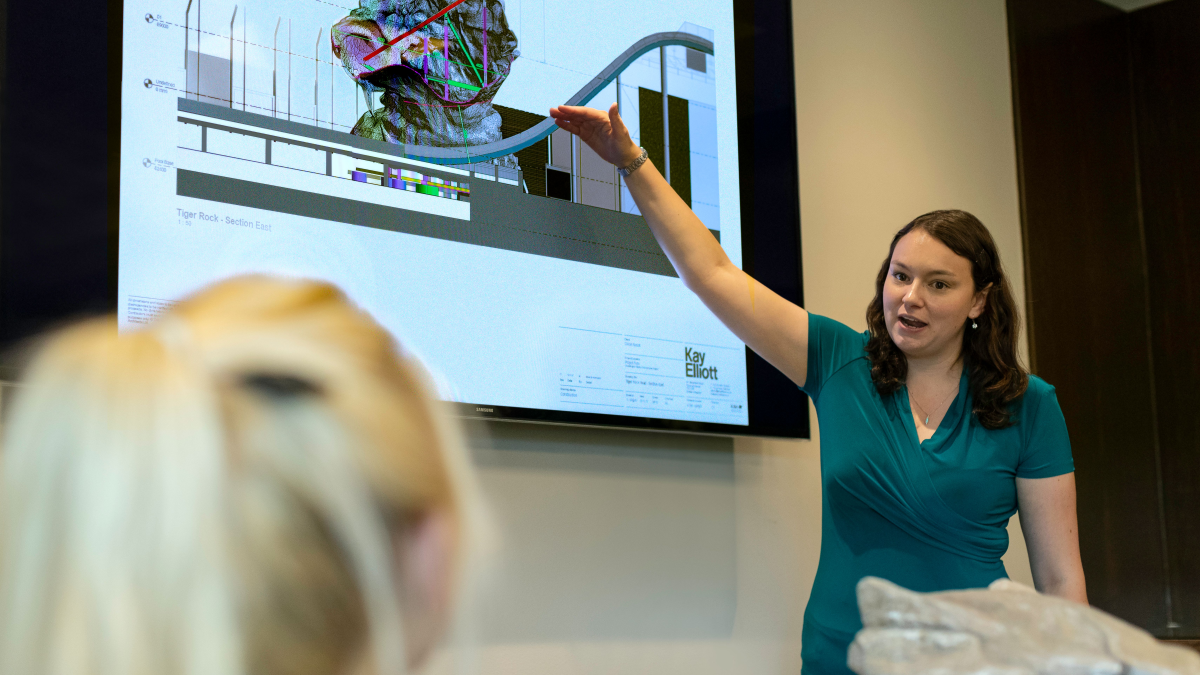
UK vacancies cover industrial equipment, specialist structures, energy, transportation, production tooling, and projects for events and retail environments. The last segment illustrates Inventor's range: designers use it to turn a visual concept into accurate models and drawings for fabrication.
Current Australian listings feature mining machinery, fabricated steelwork, electrical enclosures, conveyors, and custom machines. Many positions require practical knowledge of welding, sheet metal, and drawing release for local manufacturing. Jobs are distributed between major cities and industrial districts serving extraction and processing operations.
In Sweden, Finland, Denmark, and Norway, Inventor is used for industrial machinery, marine projects, energy, food production, and automation. The absolute number of openings is lower because the markets are smaller, but Inventor experience is relevant to manufacturers that develop their own equipment and use Autodesk Vault or another PDM system.
Industries that fit Inventor particularly well
Autodesk describes Inventor as software for mechanical design, documentation, and simulation. It includes dedicated tools for sheet metal, frames, tube and pipe, cable and harness design, standard components, dynamic simulation, and Model-Based Definition. This toolset fits companies that develop mechanical products and prepare their own manufacturing documentation.
- Machinery and production lines. Conveyors, packaging systems, machine modules, robotic cells, and custom mechanisms.
- Sheet metal and welded structures. Enclosures, frames, cabinets, platforms, guards, and process structures.
- Energy and process installations. Pump skids, piping, supports, containerized modules, and auxiliary equipment.
- Mining, agricultural, and food equipment. Machines, material-handling systems, hoppers, vessels, and product-processing equipment.
- Custom products. Tooling, exhibition structures, commercial fixtures, and projects requiring close collaboration with manufacturing.
Inventor can appear in automotive, aerospace, and shipbuilding supply chains, especially among tooling and equipment suppliers. Major OEMs often require CATIA, NX, Creo, or another established corporate platform for the primary product. The industry name alone therefore does not determine which CAD system a candidate needs.
Who should learn Autodesk Inventor
Inventor is a practical choice for junior mechanical designers and drafters seeking work in general engineering. It teaches parametric part modeling, assembly constraints, bills of materials, drawings, and the relationship between a model and its manufacture. These principles transfer to other mechanical CAD systems, although interfaces and detailed methods vary.
The software is especially relevant to specialists in sheet metal, structural frames, industrial machinery, and tooling. Their work depends on flat patterns, profiles, welded assemblies, standard-part libraries, and rapid size changes. Engineers joining a company that already uses AutoCAD and Vault also gain access to a connected Autodesk workflow.
Experienced users can develop iLogic, parameter management, templates, Design Assistant, Vault, and design automation skills. Companies with configurable product families value specialists who can build stable models, generate variants, and produce correct documentation without manually repairing every drawing.
When another system may be the better choice
Students targeting a specific employer should begin with that company's requirements. Aerospace and automotive OEMs may prioritize CATIA, NX, or Creo. Architecture and building-services roles more often require Revit. Companies that combine design closely with CAM and small-scale manufacturing may prefer Autodesk Fusion.
Inventor CAM is available as an integrated machining solution, but an Inventor requirement in a design vacancy does not normally mean that the employee will program CNC machines. Design and manufacturing-engineering functions may be separate. Anyone targeting CAM programming should investigate the locally used CAM systems, machines, controls, and postprocessors.
Learning one CAD platform does not cover every career path. Choose the product type and role first: mechanical designer, drafter, tooling engineer, manufacturing engineer, design-automation specialist, or PDM administrator. That choice makes it easier to determine whether Inventor matches the local job market.
What employers expect beyond software commands
Vacancies are tied to production deliverables, so command knowledge by itself is insufficient. Candidates should read engineering drawings, apply tolerances and fits, understand materials, and account for manufacturing and assembly processes. Sheet-metal and welded products require awareness of bending, weld access, allowances, and actual workshop capabilities.
Employers need specialists who maintain a clear assembly structure, use constraints correctly, control the bill of materials, and release drawings to company standards. Large projects also require simplified representations, model-performance discipline, collaboration, and revision management.
A portfolio should include several completed tasks: a part, assembly, sheet-metal component or frame, a drawing set, and a bill of materials. Automation experience can be shown through a configurable model or an iLogic rule. Each training project should explain the engineering decision and intended manufacturing process.
How to check demand before investing in training
Collect 30 to 50 vacancies in your region and group them by employer type, product, and seniority. Record exact terms such as Inventor Professional, AutoCAD, Vault, iLogic, sheet metal, frame design, tube and pipe, welded structures, or drawing release. This evidence is more useful than a global CAD popularity ranking.
Look for skills that repeatedly appear beside Inventor. If most jobs involve conveyors and machinery, focus on assemblies, frames, sheet metal, and documentation. Engineering consultancies may need layouts, piping, and data exchange. Configurable-product businesses will place more value on parameters, iLogic, and Vault.
Autodesk Inventor is worth learning for people planning to work with mechanical products, equipment, and production documentation in companies built around the Autodesk ecosystem. It delivers the greatest career value when combined with sound design and manufacturing knowledge. Local vacancies should confirm that this combination is relevant to accessible employers.